
APZ & Bushfire Hazard Reduction
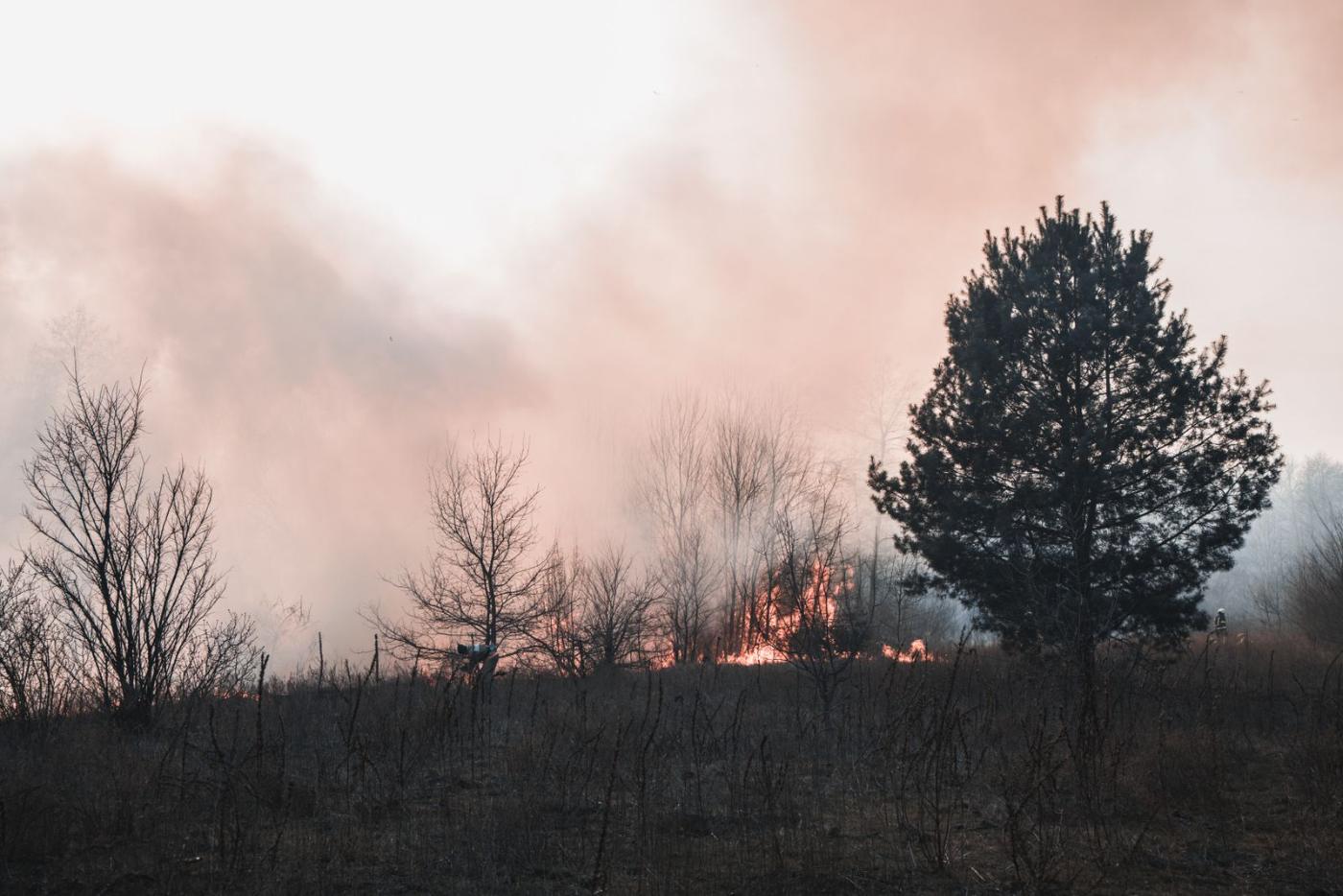
Half the Illawarra backs onto bushland, reserve or the escarpment itself. If that is your block, a managed asset protection zone is the thing most likely to decide whether the house survives an ember attack.
What an asset protection zone actually is
An asset protection zone is a managed strip of land between bushland and a building, kept at a fuel load low enough that a fire arriving through it drops from a crown fire to something a house and a fire crew can survive. It is not a cleared paddock and it is not a normal garden. It is a specific, maintained condition.
In practice, an inner protection area means canopy cover kept low and separated so fire cannot move tree to tree, no vegetation touching or overhanging the building, the understorey and shrub layer thinned right back, and ground fuels such as bark, leaf litter and fallen limbs removed rather than raked into a pile at the fence.
Why the Illawarra is a particular case
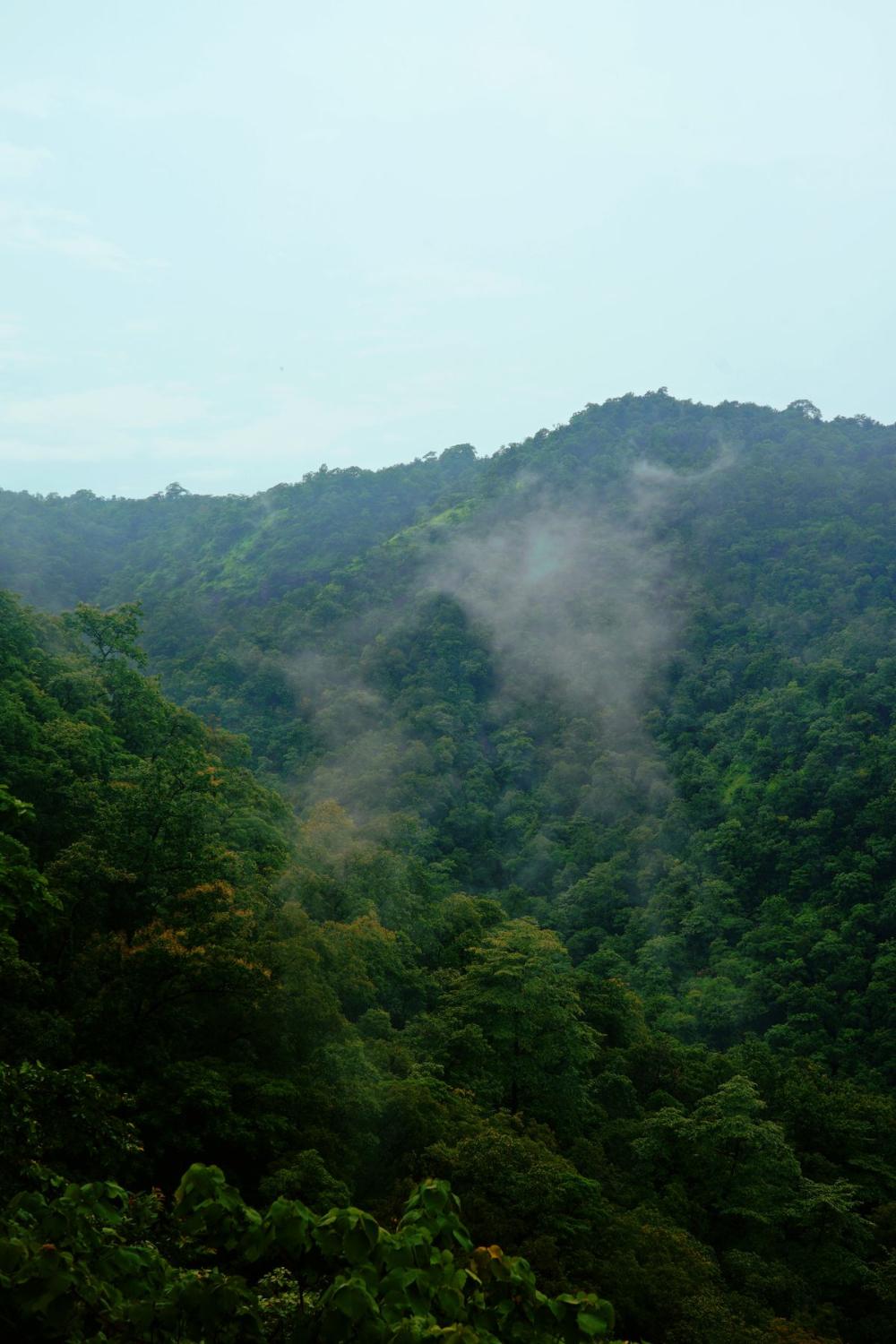
The escarpment runs the length of this region, and the suburbs sit in a narrow strip between it and the sea. That geography does two things. It puts a very large, continuous fuel load directly uphill of a lot of houses, and fire runs uphill fast. And it means many of the properties that most need an APZ are on the steepest ground, where machinery cannot get in and the work has to be done by climbers and by hand.
Mount Keira, Mount Kembla, Cordeaux Heights, Figtree, Helensburgh, Otford, Stanwell Park, Austinmer and the western edges of Albion Park and Dapto all have streets where the back fence is the bush.
The 10/50 rule, accurately
The NSW 10/50 Vegetation Clearing Code of Practice lets eligible landowners do certain clearing without approval. It is widely misunderstood, so here is what it actually says:
- You may clear trees within 10 metres of an external wall of a home, and underlying vegetation such as shrubs within 50 metres.
- It only applies if your parcel is inside a mapped 10/50 vegetation clearing entitlement area. You check that on the NSW RFS online tool, by address. Entitlement areas can change, so it should be checked on the day the work happens.
- A "tree" under the code is a perennial woody plant 3 metres or more in height with a trunk circumference over 30 centimetres measured 1.3 metres above the ground.
- You cannot clear trees on slopes greater than 18 degrees except in accordance with a geotechnical engineer's assessment. On the escarpment this excludes a great many blocks.
- You cannot clear within 10 metres of a lake or river 2 metres or more wide.
- It does not apply where there is Aboriginal or heritage significance, wetlands, critical habitat or a critically endangered ecological community.
- You cannot use methods that disturb the soil profile, so no graders, ploughs or dozers.
- It does not override conditions in your development consent.
- It is an entitlement, not an obligation. Nobody is required to clear anything.
We run your address through the RFS 10/50 tool on the day, and we check slope. If your block is over 18 degrees, which a lot of escarpment blocks are, tree clearing under 10/50 needs a geotechnical assessment first and we will tell you that rather than cutting and hoping. Where 10/50 does not apply, the pathway is a council application with an arborist report, and we can do that instead.
Ongoing management beats a one-off blitz
An APZ is a condition, not an event. Clear it once and walk away and within three or four Illawarra summers the shrub layer is back and the ground fuel has rebuilt. The properties that are genuinely defendable are the ones on a maintenance cycle, usually annually heading into spring, where the work each year is small because it never gets away.
We run scheduled APZ maintenance for private owners, strata, schools and community groups across the Illawarra, and the annual visit is a fraction of what the first one costs.
What the work involves.
Fuel load reduction
Ground fuels, bark, litter and fallen limbs removed from site, not raked into a heap against the back fence.
Canopy separation
Crowns thinned and separated so fire cannot run tree to tree into the house, without stripping the block bare.
10/50 checked first
Your address run through the RFS tool on the day, plus a slope check. We tell you what you are and are not entitled to do.
Or a council pathway
Where 10/50 does not apply we prepare the application and the arborist report instead of cutting regardless.
Steep access by climbers
Escarpment blocks where no machine can get in are handled on ropes and by hand.
Everything chipped and removed
Fuel taken off site and turned into mulch. Leaving it on the block defeats the point of the exercise.
How the job actually runs.
Site assessment
We walk the boundary with you, look at aspect, slope, fuel load and what is uphill, and identify what an APZ here has to achieve.
Eligibility check
RFS 10/50 tool for your address, slope measurement, and a check for heritage, watercourse and ecological constraints.
Scope and fixed price
A written scope of exactly what comes out and what stays, with a fixed price. No open-ended clearing.
The work
Understorey thinned, canopy separated, ground fuel removed, overhanging limbs taken off the roofline and gutters.
Maintenance cycle
We put you on an annual pre-summer cycle so it never rebuilds to the point of another big job.
APZ and Bushfire Hazard Reduction, answered.
Can I just clear everything within 50 metres of my house?
No, and this is the most common misunderstanding of the 10/50 code. Within 50 metres you may clear underlying vegetation such as shrubs. Trees may only be cleared within 10 metres. The two distances do different things and only apply if your address is in a mapped entitlement area.
How do I know if I am in a 10/50 entitlement area?
The NSW Rural Fire Service publishes an online tool where you search your address. Entitlement areas can change, so the correct time to check is on the day work is planned. We do that check as part of the job.
My block is steep. Does that change things?
Significantly. Under the code you cannot clear trees on slopes greater than 18 degrees except in accordance with a geotechnical engineer's assessment report. A lot of escarpment blocks in Wollongong exceed that. It does not mean nothing can be done, it means the pathway is different and needs to be set up properly.
Do I need council approval for hazard reduction?
It depends on the pathway. Work correctly done under a valid 10/50 entitlement does not require approval. Work outside that generally does, either through a council application or, for larger scale burning and clearing, through a bush fire hazard reduction certificate from the RFS. We will tell you which one applies to your property.
How often should an APZ be maintained?
Annually for most Illawarra properties, timed heading into spring before the fire season. The first visit is the big one. After that each year is a trim rather than a clear, and the cost drops accordingly.
Will this leave my yard looking bare?
It should not. A properly designed APZ keeps canopy trees, it separates them. Most owners find the result looks like a well-managed bushland garden rather than a cleared block. If someone is proposing to flatten everything, that is not an APZ, that is just clearing.
Get a fixed price on your apz and bushfire hazard reduction.
Free site visit anywhere inside our 50km radius, quote back the same day, no pressure to book.